Leave Your Message
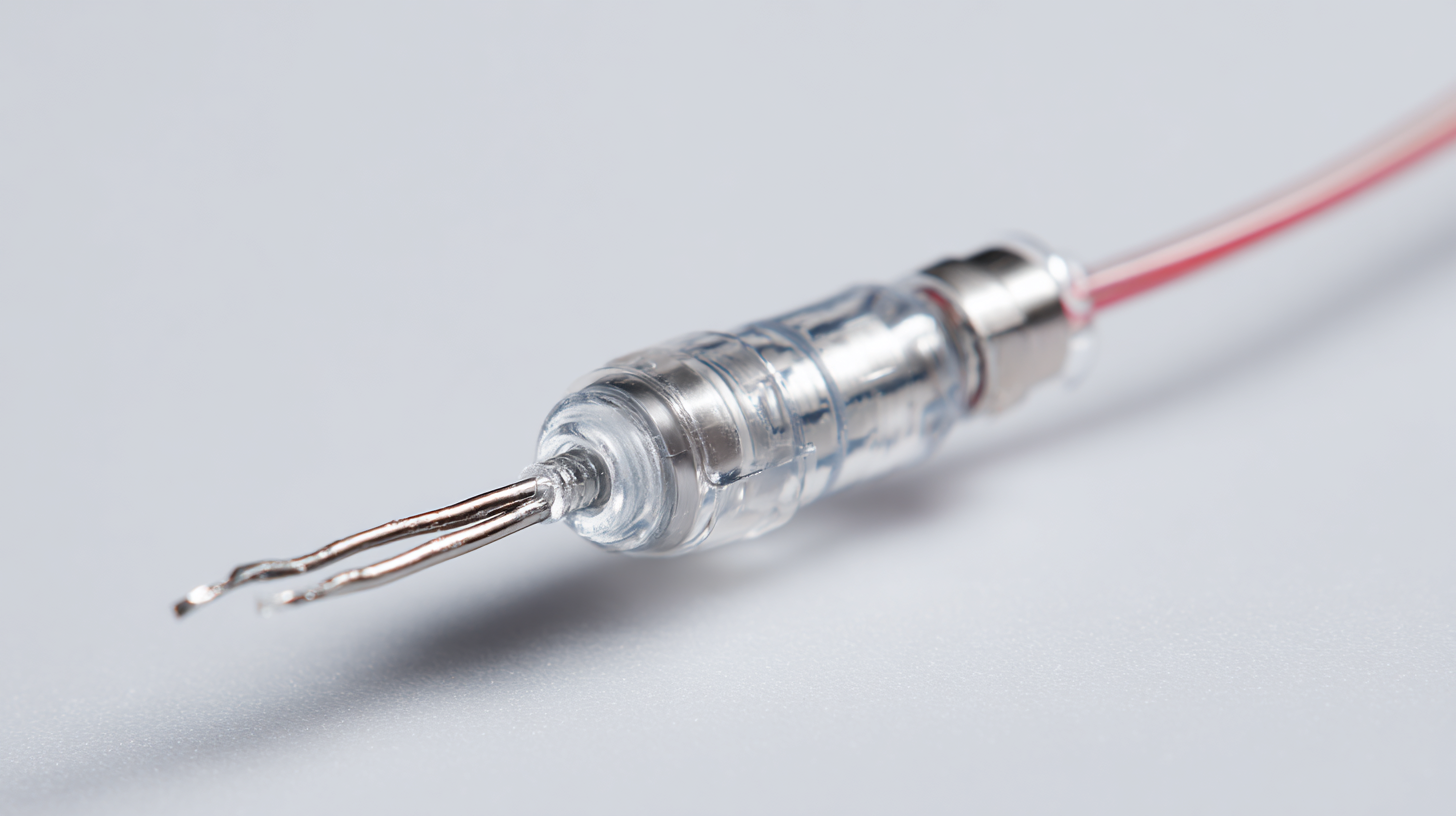 Hey, you know, in the fast-changing world of healthcare, using top-quality medical devices is more important than ever if we want to keep patients safe and cared for properly. One device that’s really making a difference these days is the Non-Tunneled Catheter. It’s pretty much become a go-to tool for healthcare pros, especially when they need quick, short-term access to a patient’s blood vessels during serious treatments. I read somewhere—like a report from the National Institute of Health—that these catheters can actually cut down the risk of infection quite a bit, with infection rates staying around just 5% when they’re managed well. Over at Tianck Medical CO., Ltd., we’re really committed to helping improve patient outcomes. We do this by offering precision-engineered Non-Tunneled Catheters that are designed to meet the varied needs of healthcare providers all over the world. As we dive into the top 7 Non-Tunneled Catheters for 2023, it’s worth paying attention to the key benefits and innovations that can boost both safety and effectiveness in patient care.
Non-tunneled catheters are really important in patient care, especially when someone needs Vascular Access for a short period. Basically, they're designed to give quick, reliable access to a person's bloodstream—making them pretty essential in a bunch of situations like emergencies, dialysis, or chemotherapy. They help by allowing direct delivery of meds, fluids, or nutrients, which really helps streamline care and can improve outcomes during critical times.
But it's not just about what they do right now. The way these catheters are built makes them quick to insert and take out, which means less time spent in uncomfortable or vulnerable positions during procedures. Since they’re often used in acute care settings, they’re key for managing patients whose veins might not be ideal for long-term access. It's really important for healthcare providers to know the different types of non-tunneled catheters out there—choosing the right one can make a big difference in how a patient feels about treatment and how well they recover.
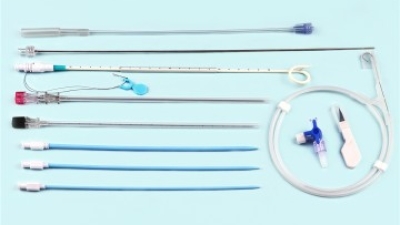
Nephrostomy Drainage Catheter sets play a crucial role in managing urinary obstructions and preserving kidney function. The Tianck Medical nephrostomy drainage set is specifically designed for percutaneous nephrostomy (PCN), which is a minimally invasive procedure that allows for the direct drainage of urine from the kidney when normal urinary flow is impeded. This innovative solution serves multiple purposes, including relieving urinary obstruction, diverting urine in cases where the ureter is blocked or leaking, and creating access for diagnostic tests or therapeutic procedures. Importantly, it also helps to drain infected urine, thereby preventing potential complications like sepsis.
When considering nephrostomy drainage catheter sets, the specifications and models of the Tianck Medical line highlight the flexibility and options available for different patient needs. The product range includes models like 8F, 10F, 12F, and 14F, catering to various anatomical requirements and clinical scenarios. Each size is meticulously crafted to ensure optimal drainage while minimizing discomfort for the patient. Proper care and maintenance of these catheters are essential to avoid infections and ensure effective urine drainage. Following prescribed usage guidelines can significantly enhance patient outcomes and improve quality of life for those dealing with urinary obstruction.
: Non-tunneled catheters are primarily used for short-term access to the vascular system, making them ideal for patients requiring immediate medical interventions.
Modern non-tunneled catheters are designed with soft, flexible materials that minimize irritation at the insertion site, which helps improve overall patient comfort.
Providers should consider the material and design, size and length of the catheter, and ensure it meets the specific needs of the patient population based on manufacturer's guidelines and clinical data.
The best non-tunneled catheters often have soft materials, anti-clotting mechanisms, and ergonomic designs for easy insertion and secure placement.
Healthcare providers can enhance their catheter insertion skills through hands-on workshops and simulation training to minimize complications and optimize patient outcomes.
Polyurethane or silicone materials are typically recommended for their enhanced durability and reduced risk of infection.
Selecting high-quality non-tunneled catheters bolsters the safety of procedures and significantly improves patient comfort, reflecting a commitment to compassionate care.
While the blog does not explicitly list drawbacks, factors such as the risk of infection and insertion complications should be considered when evaluating non-tunneled catheters.
When it comes to patient care, Non-Tunneled Catheters are pretty essential for making sure treatments go smoothly and patients stay comfortable. In this blog, we'll take a closer look at why these medical devices matter, pointing out some of the main features healthcare pros should consider when choosing the right ones. We’re also sharing our picks for the top seven Non-Tunneled Catheters of 2023 — highlighting some cool innovations that aim to boost both patient comfort and safety.
Plus, we’ll compare these top products side by side and share best practices for how to insert and maintain them properly. At Tianck Medical Co., Ltd., we're passionate about pushing healthcare forward with carefully designed solutions that meet the ever-changing needs of both doctors and patients. Our goal? To help improve patient outcomes and make a real difference.
So, whether you're a healthcare worker or just interested in the latest tech, we hope you find this info helpful and engaging!