Picking the right Hydrophilic Guidewire is a pretty important step in a bunch of medical procedures. I recently read a report from MedTech Insight that says the hydrophilic guidewire market is expected to grow at about 8.5% annually until 2026. That’s mainly thanks to tech getting better all the time, and more and more surgeons going for minimally invasive surgeries.
Dr. John Stevens from Guidewire Innovations puts it nicely: "When it comes to hydrophilic guidewires, quality really makes all the difference in how successful the intervention is." His point is that choosing the right guidewire isn’t just about picking from options; it’s about accuracy and top-notch performance. If you pick the wrong wire, it could lead to complications and maybe even impact how well the patient recovers.
A lot of folks shopping around for a hydrophilic guidewire don’t realize how complicated the choice can be. These wires differ a lot in flexibility, coatings, and how well they navigate through tricky spots. So, it’s worth taking your time—do some research, maybe ask a few experts—and don’t assume all wires are created equal. Making a careful choice can really boost the procedure’s success and keep patients safer, which is pretty important in the medical world.
Understanding Hydrophilic Guidewires and Their Applications
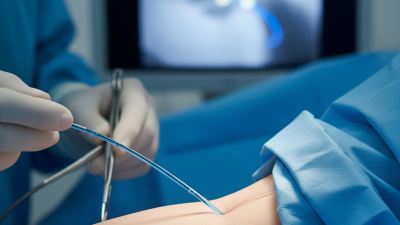
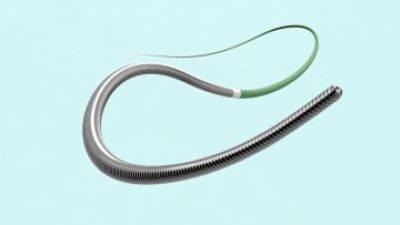
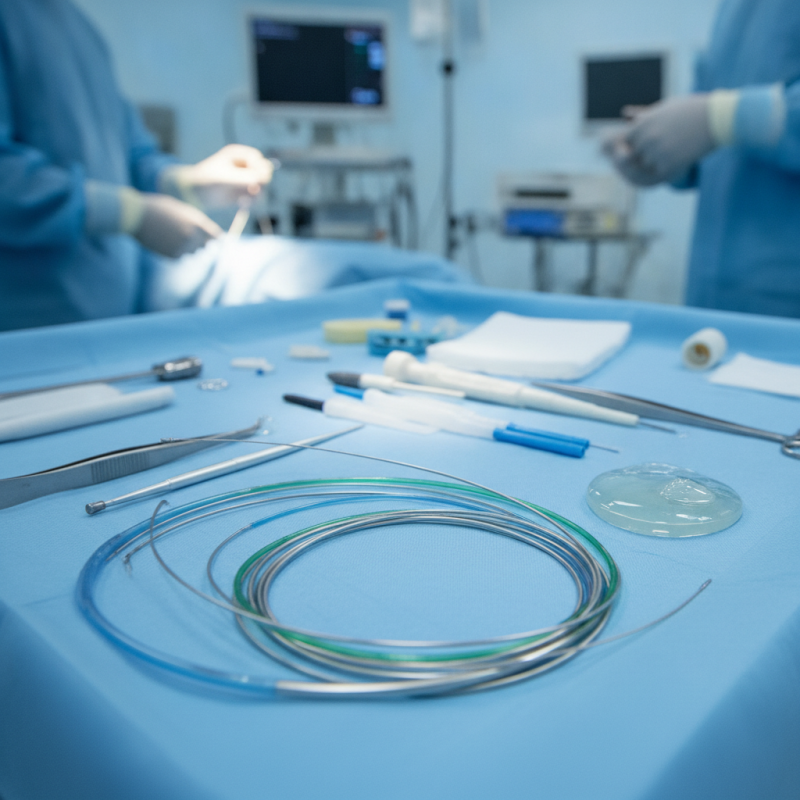
Hydrophilic guidewires are essential tools in various medical procedures, particularly in vascular interventions. These guidewires feature a special coating that enhances lubricity, allowing them to easily navigate through vascular structures. This property decreases friction, making the procedure smoother for both the physician and the patient. In complex anatomy, the benefits of a hydrophilic guidewire, like the J Tip Hydrophilic Guidewire, become even more apparent.
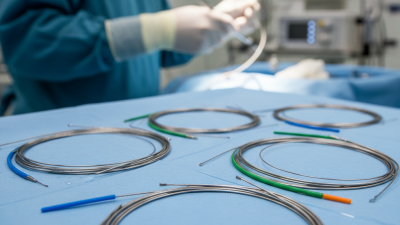
Choosing the right type requires an understanding of their applications. Hydrophilic guidewires can be used in angioplasty, catheterization, and other minimally invasive procedures. The physician must consider the specific needs of the case. For example, compatibility with different catheters is crucial. In some instances, a guidewire may not perform as expected due to a mismatch in sizes or types. Additionally, the coating can wear off with prolonged use, necessitating stock management.
When selecting a guidewire, clinicians must think critically about the intended procedure and the patient's unique anatomy. A deeper grasp of each guidewire's properties lays the groundwork for better outcomes. Both experience and technical knowledge are invaluable in making the right choice, yet even seasoned professionals can face challenges in unexpected situations. Refinement and adaptability in these choices often lead to improved patient care.
Key Features to Consider When Selecting a Hydrophilic Guidewire
When selecting a hydrophilic guidewire, certain key features play a pivotal role. The coating on the guidewire is crucial. A high-quality hydrophilic coating enhances lubrication. This allows for smoother navigation through complex anatomical paths. Consider the wire’s flexibility and torque response. A flexible guidewire can navigate tight bends easily. It also minimizes trauma to surrounding tissues.
Tips: Always test the wire’s flexibility in a controlled setting. This ensures it meets your procedural needs.
Another important point is the diameter of the guidewire. A thinner wire can pass easily through smaller veins. However, it may lack support in larger vessels. Balance diameter with the procedure requirements. Assess the wire's exact length needed for your application. A mismatch in length can lead to complications.
Tips: Purchase a variety of lengths for different scenarios. This preparation can save time during procedures.
Finally, think about the wire's visibility under fluoroscopy. Enhanced visibility can lead to fewer complications. A guidewire that stands out on imaging is valuable in complex cases. Reflect on how these features align with your specific use case. Do not overlook their impact on overall patient safety and effectiveness.
Comparative Analysis of Hydrophilic vs. Traditional Guidewires
Hydrophilic guidewires have gained attention due to their enhanced maneuverability and flexibility. A recent study published in the Journal of Endovascular Therapy noted that hydrophilic materials can reduce friction significantly compared to traditional guidewires. In procedures requiring precise navigation through complex anatomy, this friction reduction is crucial. It allows for easier advancement through tight spaces, improving overall performance in delicate interventions.
However, while hydrophilic guidewires offer advantages, they may also pose challenges. These wires can be more prone to kinking if not handled carefully. A report from the American Journal of Cardiology highlights that 15% of clinicians experienced issues related to wire rigidity during procedures using hydrophilic options. It's important to weigh such potential drawbacks against the benefits in your specific setting.
Understanding the differences between hydrophilic and traditional guidewires is critical. Research indicates that traditional guidewires typically excel in stiffness and pushability. However, they may struggle in challenging anatomical conditions. In light of this, careful consideration of the specific clinical context, along with hands-on experience, is essential for making an informed decision.
The Role of Coating Technology in Hydrophilic Guidewire Performance
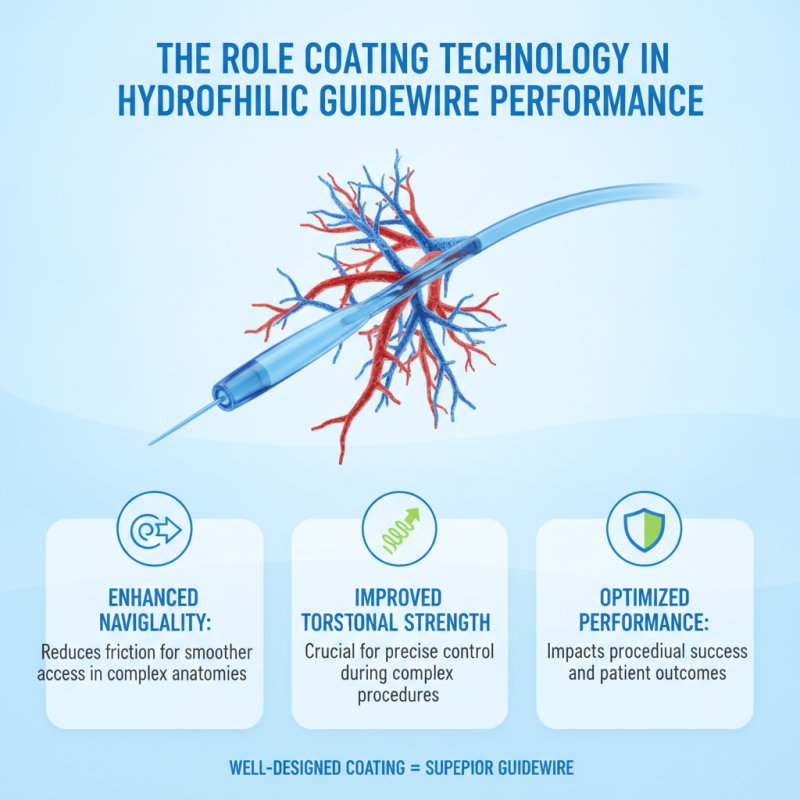
When selecting a hydrophilic guidewire, the coating technology plays a crucial role in performance. A well-designed hydrophilic coating enhances the wire's navigability in various anatomical structures. It reduces friction against vessel walls, allowing smoother access. Additionally, it provides improved torsional strength, which is vital during complex procedures. Understanding these features can significantly impact the outcome of the intervention.
Tip: Look for guidewires that feature advanced hydrophilic coatings. These tend to offer better performance in challenging environments. A reliable guidewire should maintain its coating throughout the procedure, ensuring consistency.
Choosing the right Hydrophilic Coated Guidewire also involves understanding the various types of coatings available. Some may offer deeper lubrication, while others prioritize durability. It's essential to reflect on your specific needs and the characteristics of the surfaces you'll navigate. Remember, no coating is perfect. Always consider the potential for wear over time.
Tip: Consider practicing with different guidewires. Familiarity with their handling will enhance your overall skill. A guidewire that feels perfect in the lab might not perform the same in real situations.
Patient-Specific Factors Influencing Guidewire Selection
Choosing the right hydrophilic guidewire is crucial for successful procedures. Patient-specific factors play a significant role in this decision. Consider the patient's anatomy and medical history. Variability in vessel size and pathologies can greatly influence guidewire performance.
When assessing guidewire selection, visualize the specific case. A narrower, more tortuous vessel may require a more flexible guidewire. If the area of interest has severe stenosis, a stiffer guidewire might be necessary. Understanding the unique anatomical features is essential for optimal outcomes.
Tips: Always assess the procedural needs and environment. Evaluate how a Hybrid Hydrophilic Guidewire may enhance maneuverability in challenging cases. Regularly review case studies to learn from previous experiences. Keep in mind that personal preferences and comfort levels can also impact guidewire choice, so remain open to adjustments.
Remember, selecting the right guidewire is a blend of art and science. Continuous learning and adaptation will improve your approach. Explore new techniques, and don't hesitate to rethink your standard practices. Emphasizing reliability and adaptability will enhance patient care.
Guidewire Selection Factors Influencing Patient-Specific Needs
Industry Standards and Regulatory Considerations for Guidewires
When selecting a hydrophilic guidewire, it's essential to understand industry standards and regulatory requirements. Regulatory bodies set guidelines to ensure the safety and effectiveness of these devices. For instance, FDA evaluations focus on materials, performance, and risk assessments. Compliance with these regulations helps prevent complications during clinical use.
The hydrophilic coating on a guidewire significantly influences its functionality. A high-quality coating ensures improved navigation through vascular pathways. Yet, not all coatings perform equally. Some may degrade over time or lose effectiveness in specific environments. Users should consider these factors when assessing guidewire options. Understanding the variability in coating performance is crucial for optimal outcomes.
Additionally, feedback from clinical practices guides manufacturers in improving their products. However, the industry faces challenges. Inconsistent quality control can lead to unexpected performance issues. It's vital to reflect on these aspects, as they can impact patient safety. Evaluating past experiences and the evolving landscape of regulations will enhance decision-making in guidewire selection.
How to Choose the Best Hydrophilic Guidewire for Your Needs?
| Guidewire Type | Material | Diameter (mm) | Length (cm) | Hydrophilic Coating | Recommended Uses |
| Standard Guidewire | Nitinol | 0.35 | 150 | Yes | Cardiovascular procedures |
| Stiff Guidewire | Stainless Steel | 0.35 | 180 | No | Interventional radiology |
| Flexible Guidewire | Nitinol | 0.35 | 150 | Yes | Nephrology |
| Coil Guidewire | Fluoropolymer | 0.36 | 120 | Yes | Vascular Access |
| Exchange Guidewire | Stainless Steel | 0.35 | 200 | Yes | Challenging access cases |
Case Studies: Successful Outcomes with Hydrophilic Guidewires
Hydrophilic guidewires have become integral in minimally invasive procedures. Their ability to enhance maneuverability in challenging anatomical environments is well-documented. In one study published in the Journal of Vascular Interventional Radiology, it was reported that using hydrophilic guidewires significantly reduced complication rates to 5% in complex vascular access cases. This success highlights their utility in real-world applications.
In clinical scenarios, hydrophilic guidewires showed remarkable efficiency. For instance, during a catheter placement procedure, a team achieved a 90% first-pass success rate with hydrophilic wires. In contrast, traditional wires only reached 70%. These statistics illustrate a critical advantage. However, potential pitfalls exist. Some practitioners noted increased risk of wire breakage with aggressive manipulation. Feedback from experienced clinicians emphasized the importance of training. Understanding the balance between flexibility and control is vital for optimal outcomes.
Further, case studies reveal varied results based on the guidewire's design. A recent survey indicated that 40% of professionals experienced difficulty navigating tortuous pathways even with hydrophilic options. Acknowledging these limitations can guide future product advancements. Adaptation and continuous feedback from users help refine these tools for better patient outcomes. The journey of hydrophilic guidewires is ongoing, suggesting opportunities for innovation in this essential medical field.
Understanding the Essentials of PTCA Guidewires: A Comprehensive Guide for Medical Professionals
In the realm of interventional cardiology, the understanding of Ptca Guidewires is crucial for medical professionals aiming to enhance procedural outcomes in treating coronary artery disease (CAD). These guidewires play a pivotal role in navigating through the intricate vasculature, delivering tools such as balloon catheters and stents precisely to the affected areas. Industry reports indicate that the use of advanced PTCA guidewires has significantly improved success rates in minimally invasive coronary interventions, reducing complications and optimizing recovery times for patients.
The design of PTCA guidewires prioritizes flexibility and maneuverability, which are essential for cardiologists to navigate the tortuous pathways of the coronary arteries with confidence. According to a market analysis conducted by leading medical research firms, the demand for high-quality guidewires is projected to grow as the prevalence of coronary artery disease continues to rise globally. This growth is aligned with technological advancements that enhance the performance characteristics of guidewires, allowing for more complex procedures to be executed with precision and safety.
Furthermore, clinical studies emphasize the importance of durability and steerability in guidewire design, as these factors directly influence procedural efficiency and patient safety. With the ongoing evolution of interventional techniques, medical professionals must stay updated on the latest advancements in guidewire technology to ensure the best possible outcomes for their patients. Emphasizing the importance of comprehensive training in the use of these devices can further enhance the efficacy of interventional cardiology practices.
FAQS
: A hydrophilic guidewire aids in navigating vascular structures during medical procedures. It has a special coating for smoother movement.
Lubrication reduces friction, making procedures easier for physicians and less uncomfortable for patients.
A thinner guidewire can fit through smaller veins, but larger vessels need wider wires for support. Balance is key.
Clinicians need to evaluate the procedure type, patient anatomy, flexibility, and compatibility with catheters when selecting a guidewire.
The quality of the hydrophilic coating influences navigation ease. Low-quality coatings may degrade or become ineffective over time.
Industry regulations ensure safety and effectiveness. Compliance helps prevent potential complications during clinical procedures.
A size mismatch can lead to complications during a procedure, so proper assessment of diameter and length is vital.
Testing flexibility in controlled settings confirms that the guidewire performs well under specific procedural demands.
A guidewire that is easily visible reduces complications, especially in complex cases where precision is critical.
Inconsistent quality control may lead to unexpected issues. Reflecting on past experiences can guide better decisions in selection.
Conclusion
This article explores the critical aspects of selecting the best hydrophilic guidewire for various clinical needs. It begins by outlining the fundamentals of hydrophilic guidewires, highlighting their unique properties and applications in medical procedures. Key features to consider include flexibility, torque response, and the specific coating technologies that enhance performance. A comparative analysis reveals the benefits of hydrophilic guidewires over traditional options, particularly in navigating complex vascular pathways.
The article also emphasizes the importance of patient-specific factors, such as anatomy and clinical conditions, in guiding the selection process. Furthermore, it addresses industry standards and regulatory considerations that impact guidewire use. Through case studies showcasing successful outcomes, the article illustrates how the right hydrophilic guidewire can significantly improve patient care and procedural efficiency. Overall, understanding these elements is essential for healthcare professionals to make informed decisions in their practice.