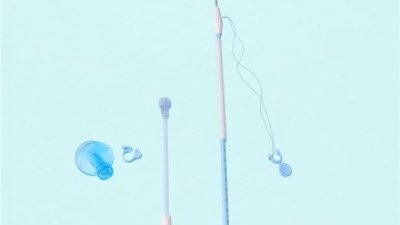
Managing chronic kidney disease, or CKD, has become more and more important these days. Did you know that over 850 million people around the world are affected, according to the WHO? Among all the treatment options out there, dialysis really stands out—it's a cornerstone for many patients. And of course, choosing a reliable and efficient Dialysis Catheter is super important because it can really make a difference in how well patients do. Tianck Medical Co., Ltd. is leading the way in this area, focusing on designing precision-engineered dialysis products that meet the changing needs of healthcare providers and patients alike. Recent research shows that advancements in dialysis catheter technology can seriously help cut down complications and improve patient care—that’s a big win. As we look ahead to the future of dialysis treatment, it’s clear that next-gen dialysis catheters are going to play a huge role in making treatments more effective and helping patients live better, healthier lives.
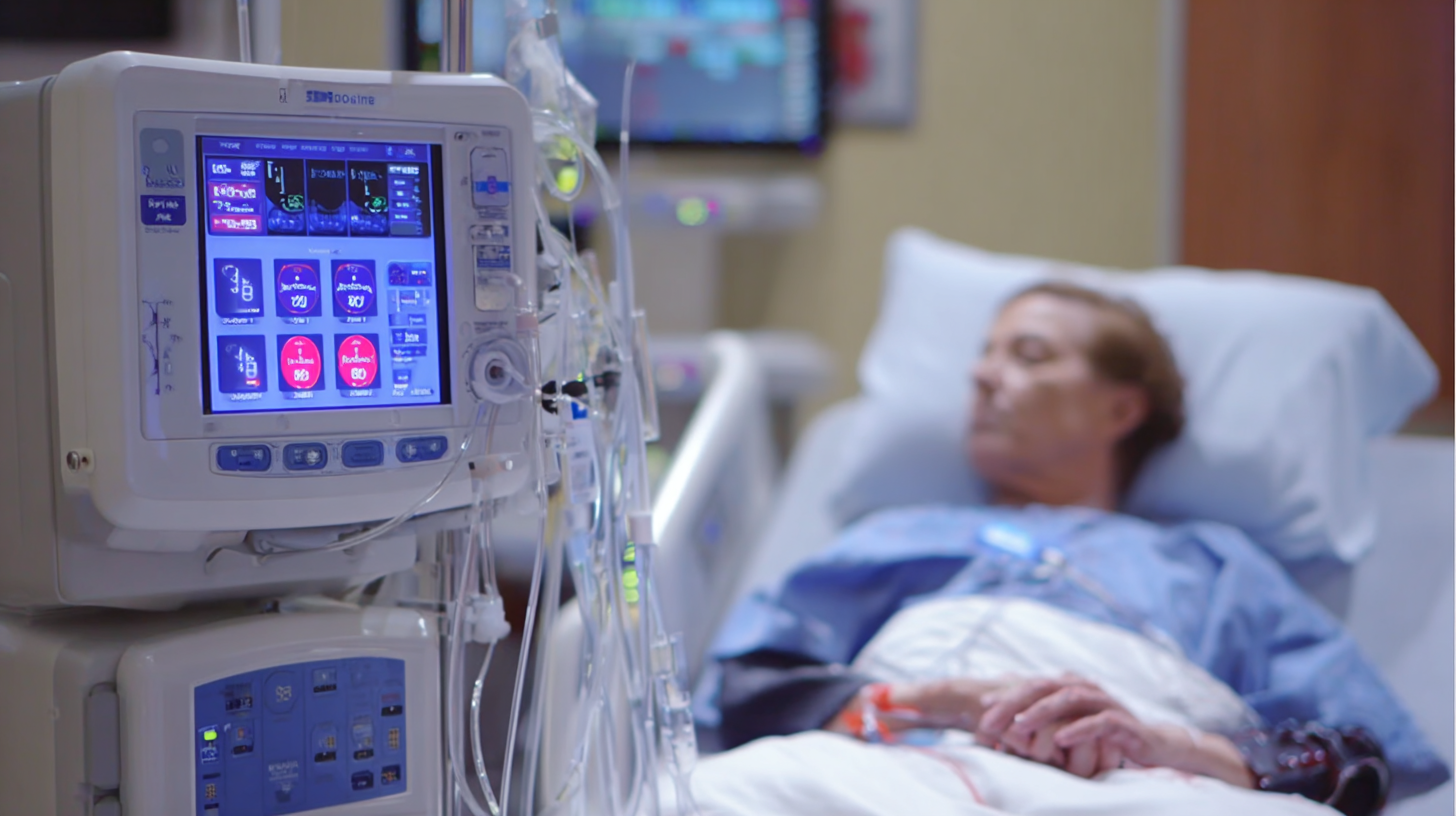
The Importance of Innovative Dialysis Catheters in Enhancing Patient Outcomes
You know, advancements in innovative dialysis catheters really make a huge difference when it comes to improving the lives of people managing chronic kidney disease (CKD). Just lately, the National Kidney Foundation shared some eye-opening stats—about 37 million adults in the U.S. are dealing with CKD, and many of them rely on dialysis to stay alive. What’s exciting is that new, carefully designed dialysis catheters can seriously cut down on common issues like infections and blood clots, which are all too typical with older catheter models. From what market research shows, reducing these complications doesn’t just save lives—it also makes life better for patients, overall.
Current Challenges in Chronic Kidney Disease Management and the Role of Catheters
Managing Chronic Kidney Disease (CKD) isn’t without its fair share of hurdles, you know? One of the biggest challenges is figuring out effective and reliable ways to get dialysis access—something that's absolutely vital for patients. Traditionally, dialysis catheters have been the go-to, but they come with their own set of problems like infections, blood clots, and just causing a lot of discomfort. And let’s be honest, that stuff can really impact how well patients stick with their treatment and how they actually feel day-to-day.
That’s where innovation needs to step in. We really need better designs and smarter materials for these catheters — stuff that’s less likely to cause infections and more comfortable to wear. Even cooler would be smart catheters that can keep an eye on pressure and flow in real time. Imagine catching issues early before they become serious! If we can tackle these challenges, the way we do dialysis could totally change for the better, making life easier and safer for lots of folks with CKD. The future’s looking promising, and hopefully, it means better outcomes and more comfort for patients down the line.
Industry Statistics: Dialysis Catheter-Related Infections and Their Impact
You know, dialysis catheters are pretty much essential when it comes to managing chronic kidney disease (CKD). They give patients like, direct access to their bloodstream, which is a big deal. But here's the thing—catheter-related infections (CRIs) are a pretty common problem and cause a lot of headaches. According to recent stats, somewhere between 20% and 40% of people on catheter-based dialysis end up with infections. Not only does this make their health worse, but it can also lead to serious, sometimes life-threatening complications. On top of that, these infections drive up healthcare costs and create extra stress for both patients and the system as a whole.

And it’s not just about the immediate risks. When someone gets an infection, they often have to be hospitalized and undergo extra procedures, which messes with their treatment routines and quality of life. Plus, dealing with CRIs can mean longer recovery times and needing more aggressive treatments, which is never fun. As folks working in the field look for better ways to care for patients, paying attention to how dialysis catheters are designed, sticking to strict infection control practices, and pushing forward with new tech innovations are all super important. These steps can really help cut down on infection rates and improve the overall management of CKD, making life a little easier for everyone involved.
Future Technologies: Smart Catheters and Their Potential to Transform Care
You know, the rise of smart catheter tech is really set to change the game when it comes to patient care, especially for folks dealing with chronic kidney issues. Recently, we've seen some pretty cool innovations like AI-driven robots that shape catheters—these devices can actually 'find their way' through complicated pathways inside the body on their own. It’s a pretty big deal and kind of feels like a new chapter in interventional medicine, aiming to be more precise and, hopefully, cut down on some of the risks and complications we used to see.
On top of that, AI is making its way into all sorts of medical devices across different fields. It’s exciting because it shows just how much tech is changing healthcare in a positive way. Events like the China International Medical Equipment Fair really put a spotlight on how committed the medical community is to pushing innovation forward. Moving ahead, these smart catheter advancements aren’t just about helping dialysis patients—they’re part of a bigger shift towards a more connected, efficient, and modern healthcare system. Pretty fascinating, isn’t it?
Patient-Centric Approaches: Tailoring Dialysis Catheter Solutions for Individual Needs
Managing chronic kidney disease (CKD) isn't exactly a walk in the park, especially when it comes to using dialysis catheters. Healthcare providers are really starting to focus on putting patients first—so, they’re tailoring catheter solutions to match each person’s individual needs. Did you know that almost 37 million adults in the U.S. have CKD? That’s a huge number, and getting dialysis right is so important for keeping these folks healthy. When patients get personalized catheter options, it not only makes things more comfortable for them but can also boost their chances of sticking with their treatment plans long-term.
One key tip for healthcare pros is to really consider each patient's unique medical history and daily lifestyle before choosing a catheter. For example, a study in the Clinical Journal of the American Society of Nephrology found that patients who received personalized catheter solutions were about 20% more satisfied—and that meant they kept up with their treatments more consistently. Plus, using newer, more advanced materials in catheter design can seriously cut down on complications like infections and blood clots, which are still big issues in dialysis care.
And here’s an exciting development—many clinics are now using telehealth to keep an eye on how patients are doing with their catheters in real time. According to the American Society of Nephrology, when telehealth was combined with personalized care, there was about a 30% drop in catheter-related problems. This kind of approach doesn’t just make patients more involved in their own care; it also allows caregivers to step in quickly if something’s off. All in all, it’s a game-changer for how we manage dialysis and improve patient outcomes.
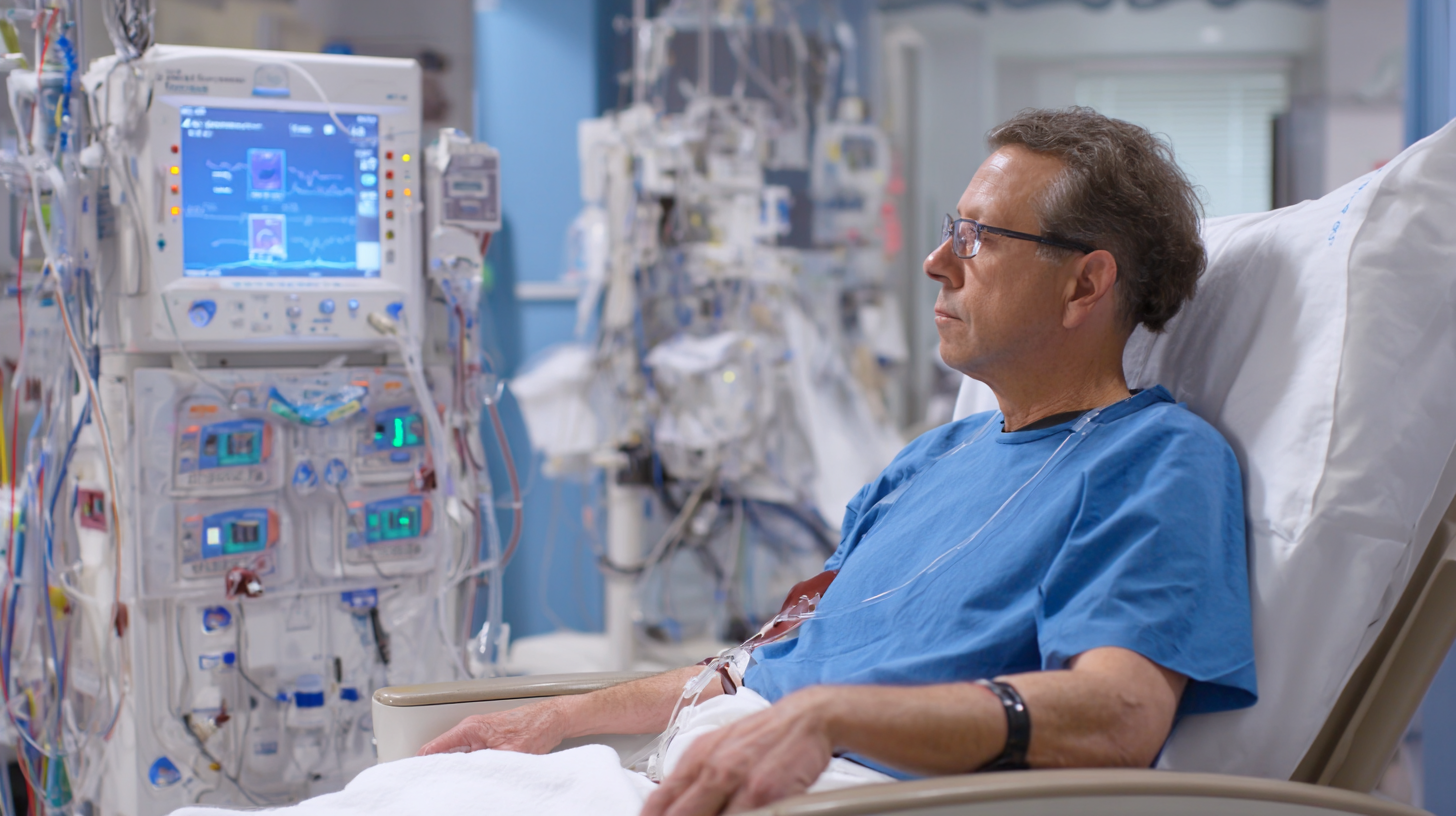
Comparative Analysis: Traditional vs. Advanced Dialysis Catheters and Efficacy
When it comes to managing chronic kidney disease, there’s definitely been some pretty interesting progress lately, especially when comparing traditional and newer dialysis catheters. For ages, central venous catheters (CVCs) have been the go-to for hemodialysis access, but let’s be honest — they come with their fair share of problems like infections and blood clots. But here’s the good news: recent studies are showing that newer, specially modified catheters, with things like antimicrobial coatings and better biocompatibility, are really making a difference. They seem to cut down infection rates quite a bit, leading to better outcomes for patients. In fact, the National Kidney Foundation reports that these advanced catheters could cut infection-related complications by up to 30%. That’s pretty big when you think about how much innovation matters in Vascular Access strategies.
And it’s not just the catheters—there’s also a shift happening in how we do dialysis overall. Researchers are finding that high-dose hemodiafiltration (HDF) might actually be better than the traditional high-flux hemodialysis (HD). Not only does HDF do a better job at clearing middle molecules, but it also seems to improve survival rates. In fact, some reviews suggest that patients on high-dose HDF have nearly a 20% lower chance of dying compared to those on standard HD. All these advancements—better catheter tech and improved dialysis methods—are super important because they’re helping healthcare providers give patients a better quality of life and better chances of staying healthy, especially for folks with end-stage renal disease.
Innovative Solutions for Effective Fluid Management: The One Step Wise Drainage Catheter Explained
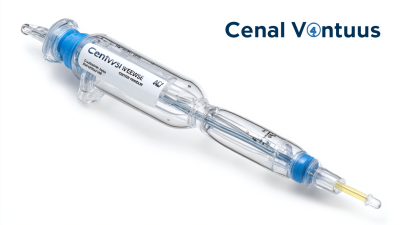
The One Step Wise Drainage Catheter represents a significant advancement in the field of fluid management, particularly in situations that demand swift and efficient intervention. Designed by Tianck Medical, this innovative device streamlines the fluid drainage process, making it a preferred choice for medical professionals during emergency, bedside, or image-guided procedures. Traditional multi-step methods can lead to delays and complications; however, the One-Step Wise Drainage Catheter provides a simpler and faster alternative that enhances patient care and operational efficiency.
Available in various models, including sizes 8F, 10F, 12F, and 14F, this catheter is tailored to meet diverse clinical requirements. Each model is meticulously engineered to facilitate minimally invasive fluid drainage across a range of medical scenarios. The ease of use and rapid deployment of the One-Step Wise Drainage Catheter makes it an essential tool for healthcare providers aiming to achieve effective fluid management while minimizing patient discomfort and procedure time. This innovative solution exemplifies the ongoing evolution of medical devices, prioritizing both efficacy and patient safety in critical healthcare settings.
FAQS
: Innovative dialysis catheters play a critical role in enhancing patient outcomes for individuals managing chronic kidney disease by reducing complications such as infections and thrombosis.
Approximately 37 million adults in the United States are affected by chronic kidney disease (CKD).
Precision-engineered dialysis catheters can significantly reduce complications, improve patient survival rates, and enhance quality of life.
Recent studies have shown that innovative materials and designs can lower infection rates associated with catheter use by up to 30%.
Tianck Medical CO., Ltd. focuses on creating high-quality dialysis catheters that meet the needs of medical professionals and patients, aiming for better clinical outcomes and patient-centric care.
Smart catheter technology, including AI-driven devices, has the potential to revolutionize patient care in chronic kidney disease management by improving precision and reducing complications during interventional procedures.
AI integration in medical devices is expanding across various specialties, showcasing the potential for improved healthcare solutions.
Events like the China International Medical Equipment Fair highlight the commitment of the medical community to innovate and implement solutions that address critical patient needs.
Future advancements include the integration of advanced technology in dialysis catheters, including smart technologies that promise improved outcomes and a more efficient healthcare system.
Research and development are vital as they lead to the creation of catheter solutions that ensure better clinical outcomes and align with the healthcare industry's goals of enhancing patient care.
Conclusion
The article titled "Revolutionizing Patient Care: The Future of Dialysis Catheters in Managing Chronic Kidney Disease" really dives into how important innovative dialysis catheters are for improving patient outcomes. It points out some of the biggest hurdles in managing chronic kidney disease today, especially the serious problem of catheter-related infections. The piece backs this up with some pretty eye-opening industry stats that highlight just how much we need better solutions. Looking ahead, the article explores exciting emerging tech like smart catheters—these advanced tools could totally change the game by providing personalized treatment options tailored to each patient’s unique needs. When you compare the old-school dialysis catheters to the newer, high-tech designs, it’s clear that the newer ones are way more effective. This aligns perfectly with Tianck Medical Co., Ltd.'s mission to develop products that are precisely engineered to keep patients safer and improve their overall care.
As healthcare keeps moving forward, putting patients at the center of everything becomes more and more important. By making dialysis catheters better suited to meet patients’ needs, the industry has a real shot at improving how we manage chronic kidney disease—and ultimately, giving those impacted a brighter, healthier future.