

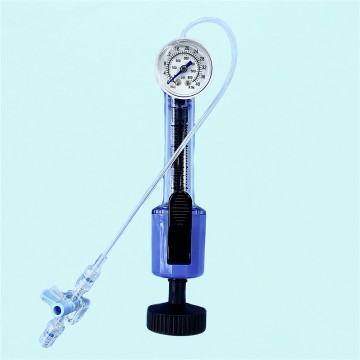
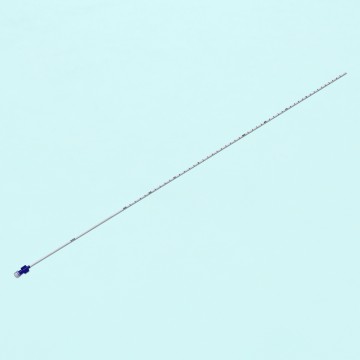
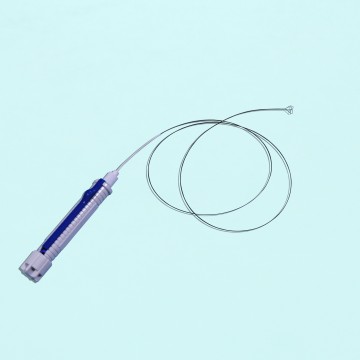
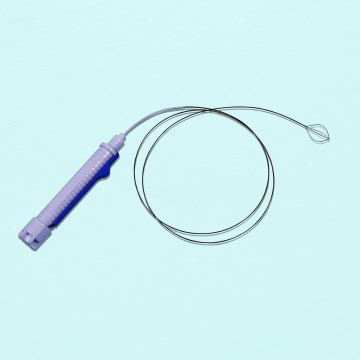
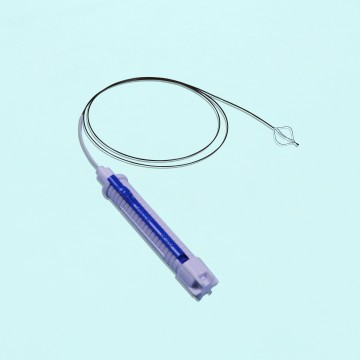
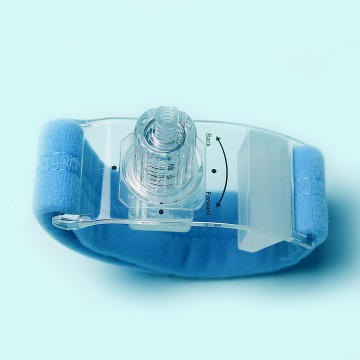
Redial Artery Closure Band - Screw Type
The Medical Screw Radial Artery Closure Band is a specialized medical device designed to achieve hemostasis (stopping bleeding) after procedures that involve radial artery access, such as cardiac catheterization, angiography, or other interventional radiology procedures. This device is particularly useful for managing the puncture site in the radial artery (located in the wrist), which is increasingly preferred over femoral artery access due to its lower risk of complications and faster patient recovery.
The screw mechanism in this closure band allows for precise and adjustable pressure application, ensuring effective hemostasis while maintaining blood flow to the hand. It is a safe, efficient, and patient-friendly solution for post-procedure care.
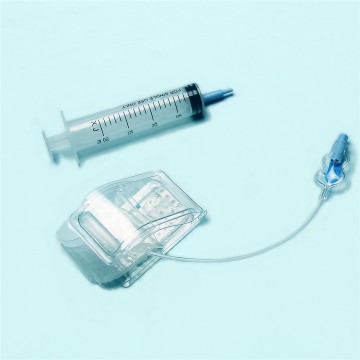
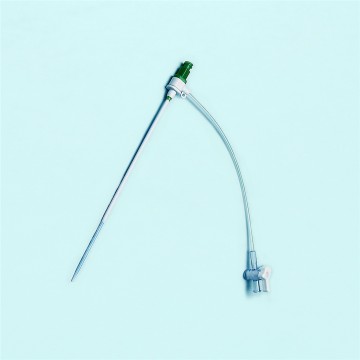
TR Redial Artery Closure Band
The Medical TR Band is a specialized medical device designed to facilitate hemostasis (the process of stopping bleeding) after procedures that involve arterial access, such as cardiac catheterization, angiography, or other interventional radiology procedures. It is particularly used after procedures where the radial artery (in the wrist) is accessed, as this approach is becoming increasingly popular due to its lower risk of complications compared to femoral artery access.
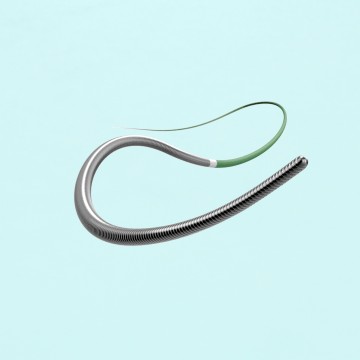
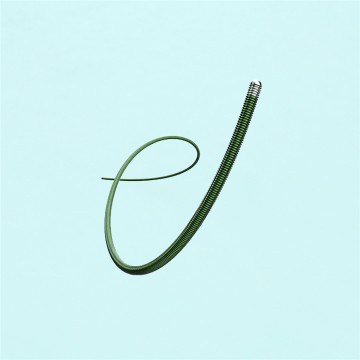
PTCA Guidewire
Tianck Medical PTCA (Percutaneous Transluminal Coronary Angioplasty) Guidewire is a critical medical device used in interventional cardiology procedures to navigate through blood vessels and reach the coronary arteries. It serves as a guide for other medical devices, such as balloon catheters or stents, during minimally invasive procedures to treat coronary artery disease (CAD). PTCA guidewires are designed to be highly flexible, steerable, and durable, enabling cardiologists to perform complex procedures with precision and safety.
PTFE Guidewire
Medical PTFE (Polytetrafluoroethylene) Guidewire is a specialized medical device used in various minimally invasive procedures to navigate through blood vessels, ducts, or other anatomical structures. PTFE, a synthetic fluoropolymer, is known for its exceptional lubricity, chemical resistance, and biocompatibility, making it an ideal coating material for guidewires. PTFE-coated guidewires are designed to provide smooth navigation, reduce friction, and minimize trauma to tissues during medical procedures.
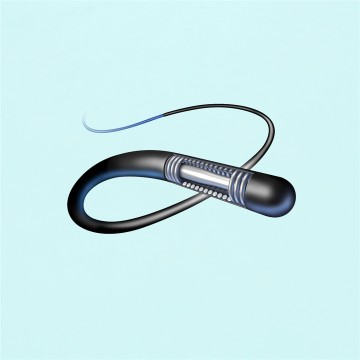
Hydrophilic Coated Guidewire
Medical Hydrophilic Coated Guidewire is a specialized medical device designed to facilitate smooth and efficient navigation through blood vessels, ducts, or other anatomical structures during minimally invasive procedures. The hydrophilic coating becomes extremely slippery when wet, significantly reducing friction and allowing for easier passage through narrow or tortuous pathways. This type of guidewire is widely used in interventional radiology, cardiology, urology, and other medical fields where precise and atraumatic navigation is critical.
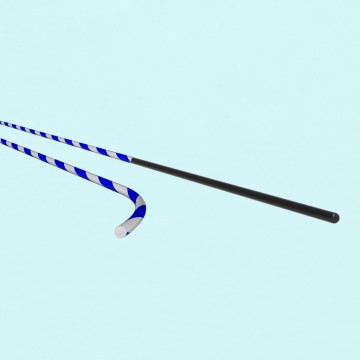
Zebra Guidewire
Medical Zebra Guidewire is a specialized medical device designed for use in minimally invasive procedures, particularly in urology and gastroenterology. It is named for its distinctive "zebra-striped" coating pattern. This unique design provides a balance between smooth navigation and controlled handling, making it ideal for procedures requiring precise movement and stability, such as stone removal or stent placement in the urinary or biliary tracts.
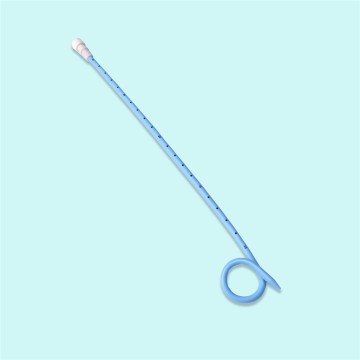
Pigtail Drainage Catheter
Medical Pigtail Drainage Catheter is a specialized medical device used for the drainage of fluids from body cavities, such as abscesses, cysts, or other fluid collections. It is named for its unique pigtail tip, which curls into a tight coil after insertion to secure the catheter in place and prevent dislodgement. This design ensures effective drainage while minimizing the risk of accidental removal. Pigtail catheters are commonly used in interventional radiology, urology, and general surgery for both diagnostic and therapeutic purposes.
Specifications and Models
| Product No | Model |
| 211005 | 8F |
| 211006 | 10F |
| 211007 | 12F |
| 211008 | 14F |
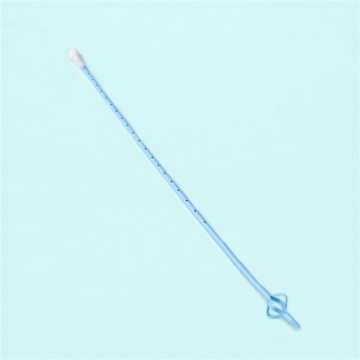
Malecot Drainage Catheter
The Malecot drainage catheter is a specialized medical device designed for effective and secure drainage of fluids from body cavities, such as the bladder, kidneys, abscesses, or other fluid collections. Named after its unique "wings" or "petals" at the tip, the Malecot catheter is widely used in urology, interventional radiology, and general surgery for its ability to provide reliable drainage while minimizing the risk of dislodgement.
Specifications and Models
| Product No | Model |
| 213001 | 8F |
| 213002 | 10F |
| 213003 | 12F |
| 213004 | 14F |
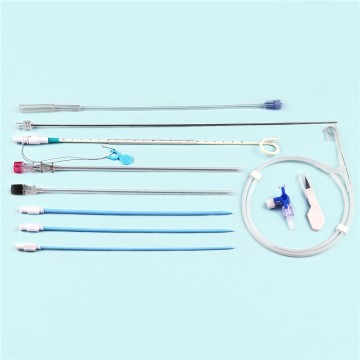
Nephrostomy Drainage Catheter Set
Tianck Mecical nephrostomy drainage set is designed for percutaneous nephrostomy (PCN), a minimally invasive procedure to drain urine directly from the kidney when normal urinary flow is obstructed. Primary purpose: Relieve urinary obstruction. Divert urine when the ureter is blocked or leaking. Provide access for diagnostic tests or therapeutic procedures. Drain infected urine to prevent sepsis. Preserve kidney function in long-term ureteral obstructions.
Specifications and Models
| Product No | Model |
| 215001 | 8F |
| 215002 | 10F |
| 215003 | 12F |
| 215004 | 14F |
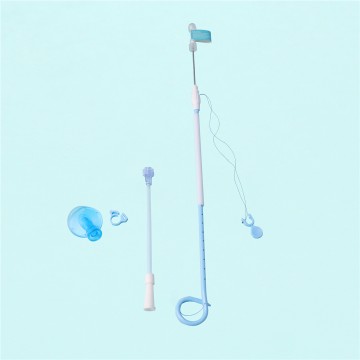
One Step Wise Drainage Catheter
Tianck Mecical One-Step Wise Drainage Catheter is a medical device designed for minimally invasive fluid drainage in various clinical scenarios. The one-step drainage catheter offers a faster, simpler alternative to traditional multi-step drainage methods. It is ideal for emergency, bedside, or image-guided procedures where rapid fluid evacuation is critical.
Specifications and Models
| Product No | Model |
| 212001 | 8F |
| 212002 | 10F |
| 212003 | 12F |
| 212004 | 14F |
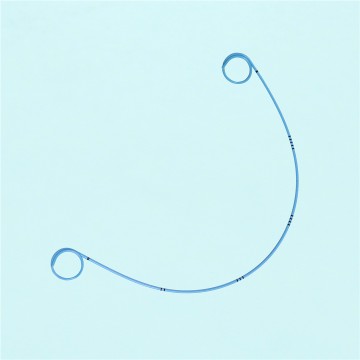
Ureteral Stent
Tianck Medical Ureteral stents are flexible, hollow tubes placed in the ureter to maintain urine flow from the kidney to the bladder when normal drainage is obstructed or compromised. It is also called double J stents or JJ stents due to the pigtail shape at both ends of the product.
Long Term Ureteral Stent
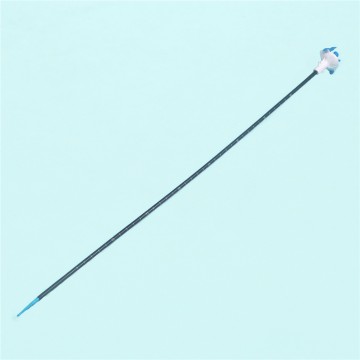
Ureteral Access Sheath
Ureteral Access Sheath is a medical device used in urology to facilitate the insertion of instruments, such as ureteroscopes, into the ureter and kidney during minimally invasive procedures. It is a hollow, flexible tube that provides a stable pathway, protecting the ureter from trauma and improving the efficiency of procedures like stone removal, tumor biopsy, or stricture treatment. Ureteral access sheaths are essential tools in modern endourology, enhancing both patient safety and procedural success.
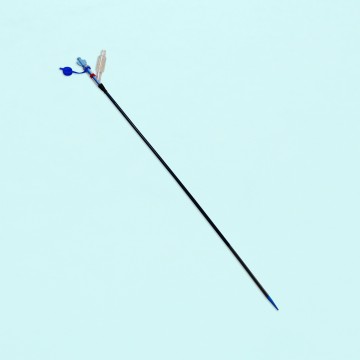
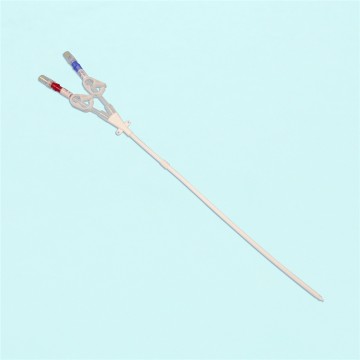
Ureteral Access Sheath-Y Type
A Y-Type Ureteral Access Sheath (UAS) is a specialized urological instrument designed to facilitate Retrograde Intrarenal Surgery (RIRS), primarily for the treatment of kidney stones. Its defining characteristic is a Y-shaped connector at its proximal end, which provides two independent pathways: one for the primary surgical scope/instruments and a dedicated second one for continuous irrigation or the passage of auxiliary tools. This design offers superior control over fluid dynamics within the kidney compared to standard sheaths, enhancing both safety and efficiency.

Percutaneous Nephrostomy Set
Percutaneous Nephrostomy Set is mainly used in patients with kidney stones or hydronephrosis. It is used for percutaneous renal puncture expansion and channel establishment for drainage and placement of endoscopic surgical instruments

Percutaneous Nephrostomy Set-Y Type
The Percutaneous Nephrostomy (PCN) Set - Y Type is a specialized medical kit used in urology and interventional radiology to establish drainage from the renal pelvis when the normal urinary pathway is obstructed.